 Send me a PDF copy
Double your opportunities
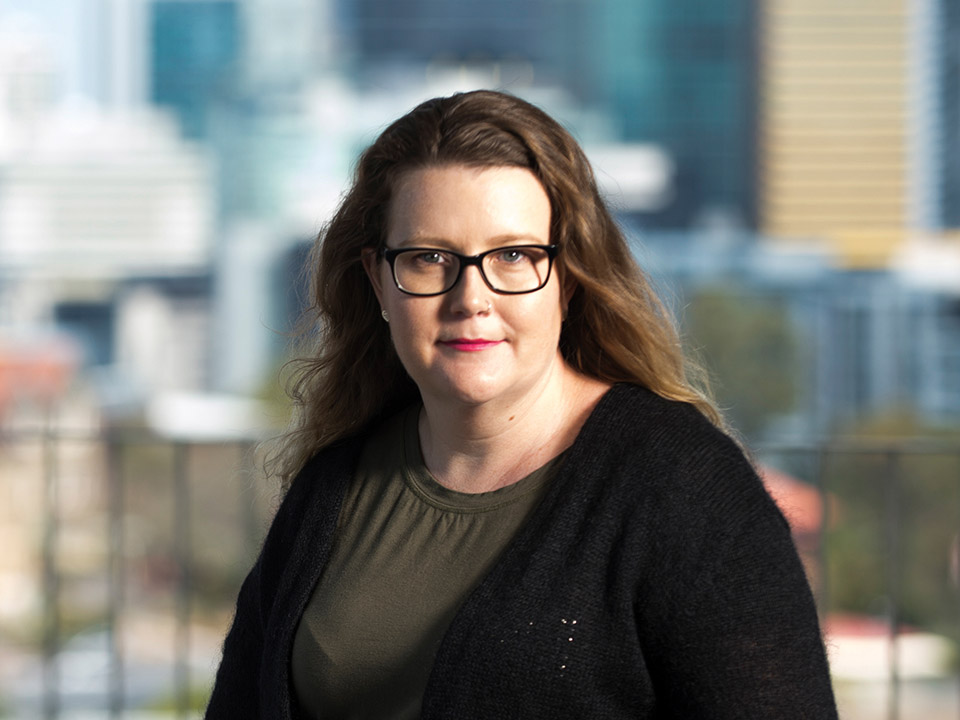
'My experience as a double degree student has been overwhelmingly positive. The skills I have learned in my Communication degree have complemented my Law degree: excellent communication skills are critical to being a great lawyer, and the ability to think and problem solve systematically is highly sought after in the media industry.'
Communication and law graduate
Double your opportunities
'My experience as a double degree student has been overwhelmingly positive. The skills I have learned in my Communication degree have complemented my Law degree: excellent communication skills are critical to being a great lawyer, and the ability to think and problem solve systematically is highly sought after in the media industry.'
Communication and law graduate

Highlights
- Gain an in-depth understanding of digital platforms, including the technologies, cultural trends, and business models currently shaping social media and streaming services.
- Explore how media influences identity and society, and address critical issues such as privacy, surveillance, representation, and algorithmic bias.
- Engage in real-world learning through a final year capstone project where you research a current media industry challenge and pitch your solution in a professional video presentation.
- Learn from leading researchers and staff that have made QUT the World number 19 and number 1 in Australia for media and communication studies. (QS World University Rankings by Subject, 2026).
Highlights
- Gain an in-depth understanding of digital platforms, including the technologies, cultural trends, and business models currently shaping social media and streaming services.
- Explore how media influences identity and society, and address critical issues such as privacy, surveillance, representation, and algorithmic bias.
- Engage in real-world learning through a final year capstone project where you research a current media industry challenge and pitch your solution in a professional video presentation.
- Learn from leading researchers and staff that have made QUT the World number 19 and number 1 in Australia for media and communication studies. (QS World University Rankings by Subject, 2026).
Why choose this course?
The way we consume and create media is evolving at lightning speed. Social platforms, streaming services, and digital ecosystems have transformed how stories are told and how audiences engage. In this course, you’ll explore these changes from every angle so you can understand not just what’s happening now, but what’s coming next.
You’ll learn how platforms shape identity, relationships, and society, and tackle pressing issues like privacy, surveillance, and algorithmic influence.
You’ll learn from teaching staff who are active in the field and at the cutting edge of research, ensuring your knowledge is current and relevant. As new trends emerge in media and communication, you’ll understand what they mean and how they fit into the broader landscape. Along the way, you’ll build critical thinking skills to develop ethical and socially responsible communication strategies that inspire action, influence decisions, and shape industries, communities, and cultures for a more just and inclusive world.
Real-world learning
Throughout your degree, you’ll apply what you learn to practical challenges that reflect the realities of today’s media and communication industries.
In your final year, you’ll complete a major capstone project designed to showcase your independence, leadership, and creativity. You’ll research a current issue within a media or communication sector, develop a research question, and propose solutions using industry-standard methods. This project culminates in a professional pitch supported by documentation that providing authentic experience in presenting your ideas to stakeholders and preparing you for the demands of industry.
Past students have completed placements with Nine News, Network Ten, Metro Arts, Queensland Writers Centre, Hyperplex Cinemas and many more, giving them valuable insights and professional networks before graduation.
Take part in international study tours to South‑East Asia, Europe and the US – a great opportunity to experience how media and communication operates in different cultures and societies.
Real-world learning
Gain industry experience through internships and work placements in government departments and agencies as well as media, advertising and public relations organisations. Students have completed placements with Network Ten, Brisbane Festival, Hyperplex Cinemas and plenty more.
You will learn from teaching staff who both work in the field, and are at the cutting-edge of research in media and communication. If a modern trend emerges in communications, you’ll understand what it means, and how it fits into the broader fabric of the media landscape.
Learn how to inspire action, make change and influence decisions. You will build the critical thinking skills to develop ethical and socially responsible communication strategies that shape industries, communities and cultures for a more just and inclusive world.
Explore this course
Your studies will begin by exploring how digital technologies have transformed traditional media and reshaped the way we communicate.
The core units of this major focus on understanding media systems, audience analytics, and the impact of digital transformation on communication. Early in your degree, you’ll examine the structures and logics behind social platforms and streaming services, uncovering the technological and business forces that drive them.
As you progress, you’ll dive into the cultural and social dimensions of media, investigating how identity, representation, and ethics intersect with digital spaces. You’ll consider issues such as privacy, surveillance, and algorithmic influence, and learn to critically analyse the role media plays in shaping society.
Flexible course options
Pairing media and communication with a communication second major such as journalism, screen industries, or promotional communication gives you a competitive edge in a rapidly evolving media landscape.
Or you might like to add minors such as strategic communications, news and factual Media, or social media strategy to specialise in areas that complement media and communication. These options allow you to tailor your degree to your interests and career goals, opening pathways into content creation, and digital strategy.
In the media and communication industries major, you’ll begin with core communication units such as understanding media industries, analysing audiences and understanding the internet and data. That will then extend into analyses of specific media and communication industries, such as pop culture, digital platforms and analytics. Your studies will help you develop a wide skillset tailored to helping you succeed, no matter how the media and communications sector evolves.
Your studies will be rounded by the choice of either a second major, which is a sequence of eight units from another study area, or minors and electives such as work integrated learning, internships or international study tours that allow you to graduate work ready through engagement with the industry.
Double degrees
Maximise your career opportunities and create your own specialist career niche within the communication industry by combining your degree with a complementary study area.
Combine business expertise with advanced media and communication skills to lead in digital marketing, media management, and global communication industries through real-world projects and internships.
Combine advanced legal expertise with cutting-edge media and communication skills to lead in digital law, policy, and strategic communication across global industries.
Careers and outcomes
With strong analytical, creative, and professional communication skills, you’ll be ready to influence decisions, inspire action, and contribute to industries that thrive on innovation and connection. Whether you choose to work in advertising, public relations, government, cultural organisations, or emerging digital sectors, this degree opens doors to careers that shape the future of media and communication.
Possible careers
- Advertising and new media professional
- Audience researcher
- Digital communication specialist
- Digital content designer
- Digital content producer
- Marketing officer/manager
- Media industry specialist
- Media or communications adviser
- Media planner / buyer
- Media trader
- Social media manager
In order to complete this course you must complete a total of 288 credit points comprising:
Six common units - 72 credit points
A Communication major - 96 credit points from one of the following disciplines:
- Media and Communication Industries
- Journalism
- Screen Industries
- Promotional Communication
- Media Entrepreneurship
Complementary studies - 96 credit points chosen from:
- one 96 credit point second major (Communication second major or Uni-wide second major); OR
- two 48 credit point minors (Communication minor or Uni-wide minor); OR
- one 48 credit point minor and 48 credit points chosen from unit options (electives) (Creative Industries Work Integrated Learning Unit Options or Uni-wide unit option unit); OR
- 96 credit points chosen from unit options (electives) (Creative Industries Work Integrated Learning Unit Options or Uni-wide unit option unit)
Four QUT You units - 24 credit points comprising 4 x 6 credit points units.
In order to complete this course you must complete a total of 288 credit points comprising:
Six common units - 72 credit points
A Communication major - 96 credit points from one of the following disciplines:
- Media and Communication Industries
- Journalism
- Screen Industries
- Promotional Communication
- Media Entrepreneurship
Complementary studies - 96 credit points chosen from:
- one 96 credit point second major (Communication second major or Uni-wide second major); OR
- two 48 credit point minors (Communication minor or Uni-wide minor); OR
- one 48 credit point minor and 48 credit points chosen from unit options (electives) (Creative Industries Work Integrated Learning Unit Options or Uni-wide unit option unit); OR
- 96 credit points chosen from unit options (electives) (Creative Industries Work Integrated Learning Unit Options or Uni-wide unit option unit)
Four QUT You units - 24 credit points comprising 4 x 6 credit points units.
- ATAR/selection rank threshold
- 70.00
These thresholds are the lowest adjusted scores to which QUT made an offer in Semester 1, 2026.
Don't have a ATAR/selection rank?
- Course code
- KC40
- QTAC code
- 421351
- CRICOS code
- 096577J
-
- Kelvin Grove
-
- Kelvin Grove
- 3 years full-time
- 6 years part-time
- 3 years full-time
- February and July
- February and July
Assumed knowledge
Before you start this course, we assume you have sound knowledge of the subject/s listed below. If you don't have the subject knowledge, you can still apply for the course but we strongly encourage you to undertake bridging studies to gain the knowledge:
- English, or Literature, or English and Literature Extension, or English as an Additional Language (Units 3 & 4, C)
Year 12 early offer scheme
If you're a current Queensland Year 12 student, you may be eligible to receive an offer for this course on the last day of Queensland Year 12, before receiving your ATAR or selection rank.
Find out more about the QUT Year 12 Early Offer Scheme
Helping you to get into your course
If you don't think your ATAR or selection rank is high enough to get into this course, you can guarantee your entry with guaranteed advanced standing by upgrading through one the following programs which you can select as one of your QTAC preferences:
QUT College Diplomas
As a QUT College Diploma in Creative Industries graduate you will automatically receive an offer to start the Bachelor of Communication within one week after completion of the diploma. You will also automatically receive up to 1.0 year (96 credit points) credit transfer and be able to complete the degree in 2 years as a full-time student (or equivalent part-time).
Find out more about the QUT College Diploma in Creative Industries
Offer guarantee
If you achieve an ATAR or selection rank of 70.00 or higher (including any adjustments) and satisfy all other admission requirements, you are guaranteed an offer for this course in the Semester 1 offer rounds, up to the main offer round in mid-January.
VET guarantee
If you have completed an AQF certificate IV, diploma or higher, and satisfy all other admission requirements, you are guaranteed an offer for this course in the Semester 1 offer rounds, up to the main offer round in mid-January.
Advanced standing
If you have prior studies or work experience, you may be eligible for advanced standing (credit). You can apply for advanced standing once you've been accepted to QUT. If you're in your first semester of study, you must apply for advanced standing within 10 days of receiving your offer.
Deferment
You can defer your offer and postpone the start of your course for one year.
More about deferring your offer
Adjustments to your ATAR/selection rank
Any adjustments you receive to your ATAR or selection rank will be applied to this course.
Find out if you’re eligible for an adjustment to your ATAR or selection rank
Offers we made to school leavers in Semester 1, 2026
The figures listed in the tables below reflect the offers that were made to recent ATAR students. The entry thresholds box at the top of this page shows the lowest adjusted ATAR/selection rank required to receive an offer for all applicants for the most recent January QTAC offer round.
| Excluding adjustments | Including adjustments | |
|---|---|---|
| Highest ATAR/selection rank to receive an offer |
Selection rank
96.15
|
Selection rank
99.95
|
| Median ATAR/selection rank to receive an offer |
Selection rank
78.10
|
Selection rank
80.05
|
| Lowest ATAR/selection rank to receive an offer |
Selection rank
64.50
|
Selection rank
70.35
|
You can find out more about your fellow students’ backgrounds with this course’s student profile.
Other admission options
If you are of Aboriginal or Torres Strait Islander descent, you may be eligible for admission through our Centralised Assessment Selection Process (CASP).
Select the country where you completed your studies to see a guide to the grades you need to apply for this course.
If your country or qualification is not listed, you can still apply for this course and we will assess your eligibility.
I completed secondary school in Australia
- ATAR/selection rank
- 70.00
Offer guarantee
If you completed secondary school in Australia and achieve an ATAR/selection rank of 70.00 or higher (including any adjustments) and satisfy all other admission requirements, you are guaranteed an offer for this course.
VET guarantee
If you have completed an AQF certificate IV, diploma or higher, and satisfy all other admission requirements, you are guaranteed an offer for this course.
Minimum English language requirements
Select the country where you completed your studies to see a guide on meeting QUT’s English language requirements.
Your scores and prior qualifications in English-speaking countries are considered. Approved English-speaking countries are Australia, Canada, England, Ireland, New Zealand, Scotland, United States of America and Wales.
If your country or qualification is not listed, you can still apply for this course and we will assess your eligibility.
We accept English language proficiency scores from the following tests undertaken in a secure test centre. Tests must be taken no more than 2 years prior to the QUT course commencement.
| English Test | Overall | Listening | Reading | Writing | Speaking |
|---|---|---|---|---|---|
| IELTS Academic / One Skill Retake | 6.5 | 6 | 6 | 6 | 6 |
|
Cambridge C1 Advanced
You must share your results with QUT through the Candidate Results Online website. |
176 | 169 | 169 | 169 | 169 |
| PTE Academic | 58 | 50 | 50 | 50 | 50 |
| TOEFL iBT Australia Test (120 scale) | 79 | 16 | 16 | 21 | 18 |
Don't have the English language score you need? We can help!
We offer English language programs to improve your English and help you gain entry to this course.
When you apply for this course, we will recommend which English course you should enrol in.



Your actual fees may vary depending on which units you choose. We review fees annually, and they may be subject to increases.
2027 fees
2027: CSP $17,800 per year full-time (96 credit points)
2027 fees
2027: $41,600 per year full-time (96 credit points)
2026 fees
2026: CSP $17,200 per year full-time (96 credit points)
2026 fees
2026: $40,000 per year full-time (96 credit points)
Student services and amenities fees
You may need to pay student services and amenities (SA) fees as part of your course costs.
HECS-HELP: loans to help you pay for your course fees
You may not have to pay anything upfront if you're eligible for a HECS-HELP loan.
Student services and amenities fees
You may need to pay student services and amenities (SA) fees as part of your course costs.
You can apply for scholarships to help you with study and living costs.
International Merit Scholarship
A high achievement scholarship for future international undergraduate and postgraduate students.
- Scholarship eligibility
- Academic performance
International Talent Scholarship
A new scholarship for 2026 that covers tuition fees, with eligibility based on your prior academic achievements.
- Scholarship eligibility
- Academic performance
Keep up to date
Ready for your next step?
Finishing school?
Everything you need to know about choosing a uni straight from school.
How to apply
We'll break down the application process, from QTAC to accepting your offer.
Ready for your next step?
How to apply
We'll break down the process, from applying to accepting your offer.
Flexible study
Explore the options that could make postgraduate study work for you.
QUT courses for you
Like to save your courses?
Please enter your first name and email so we can save your courses for you